


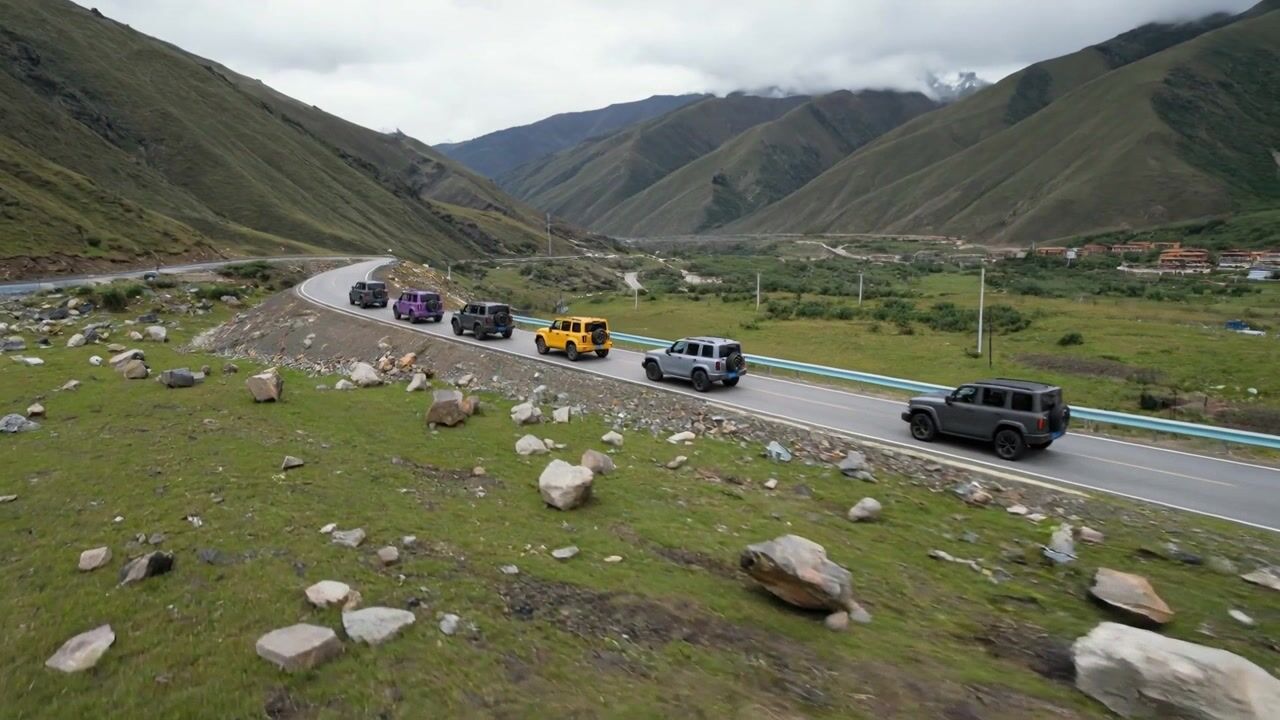


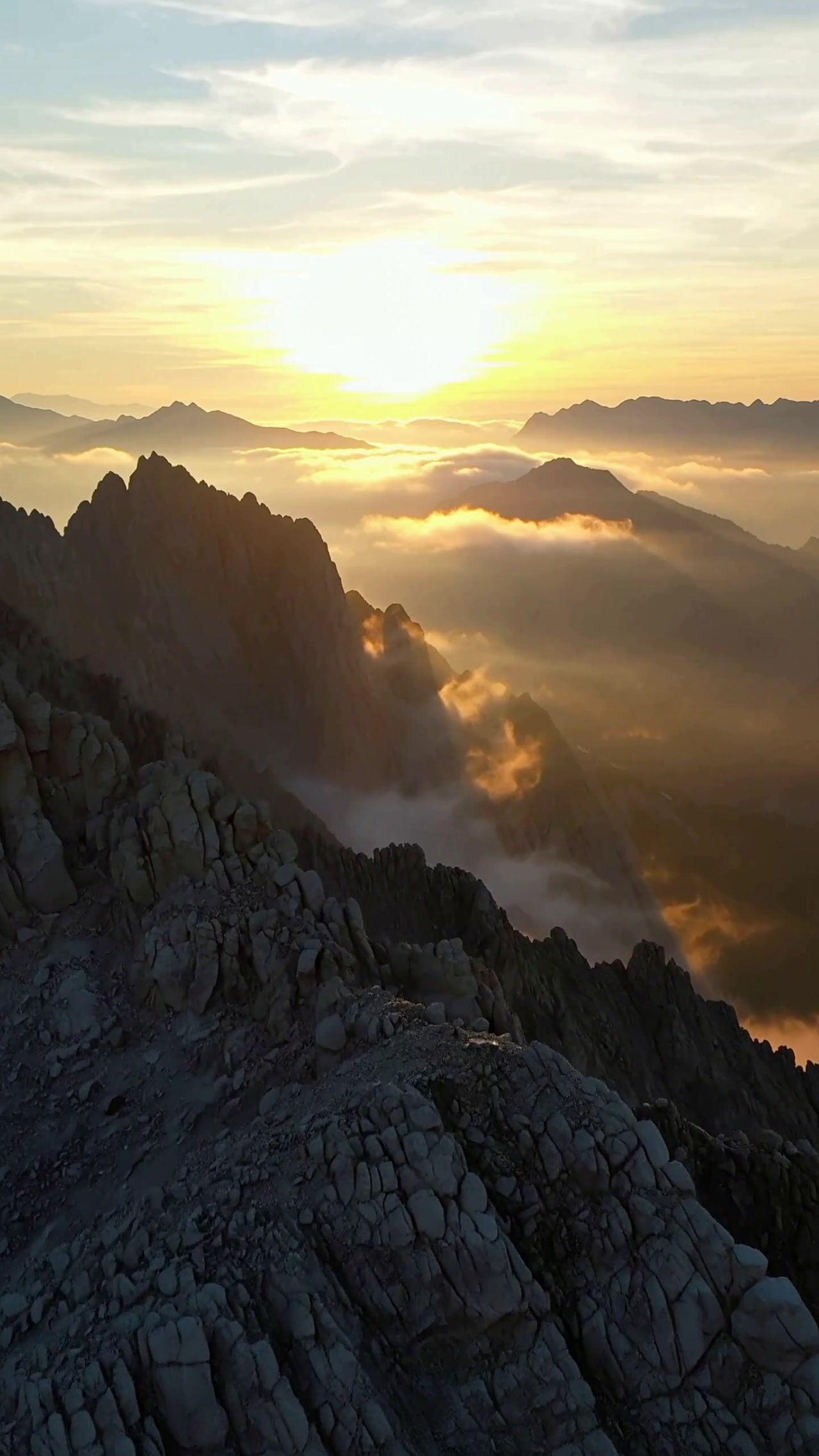



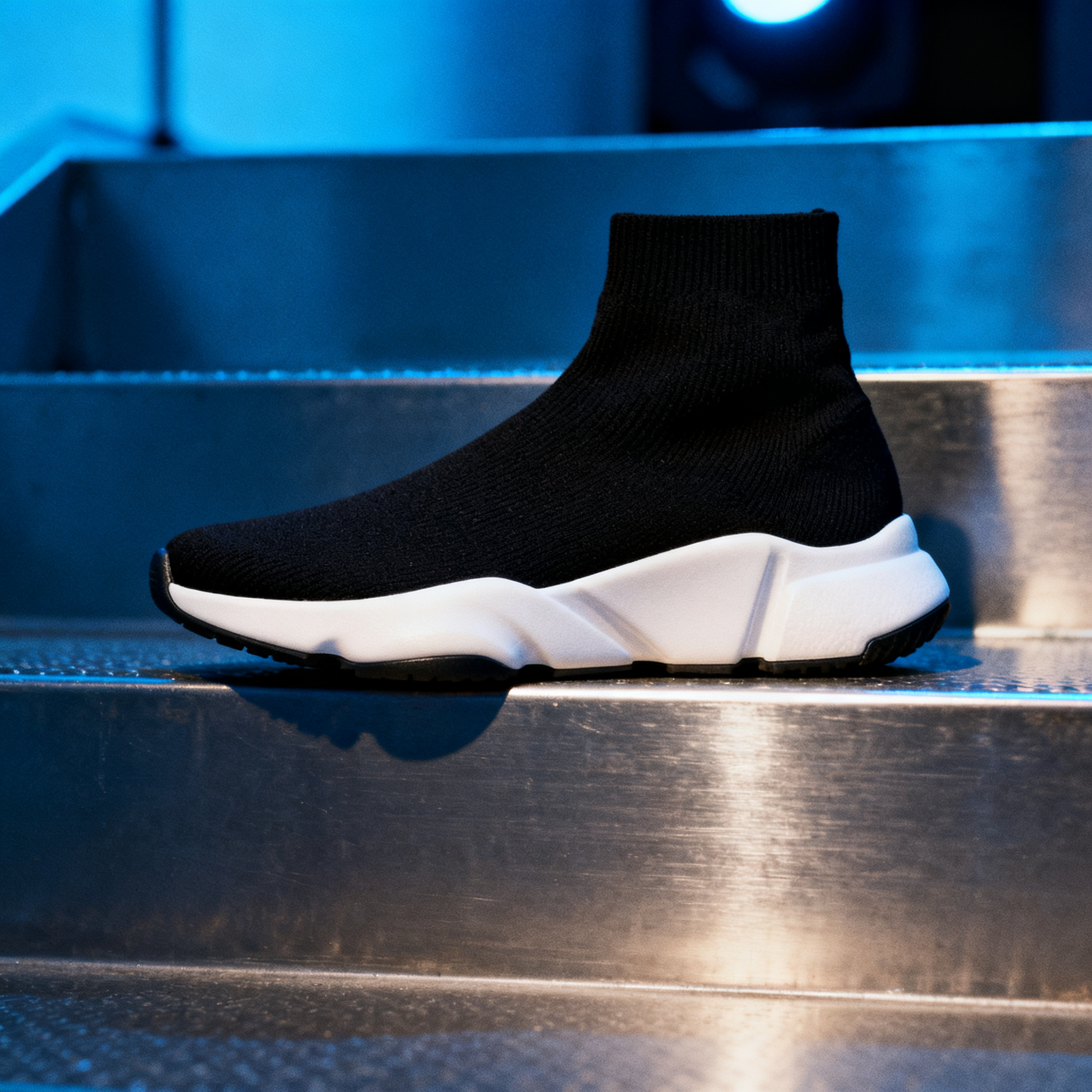
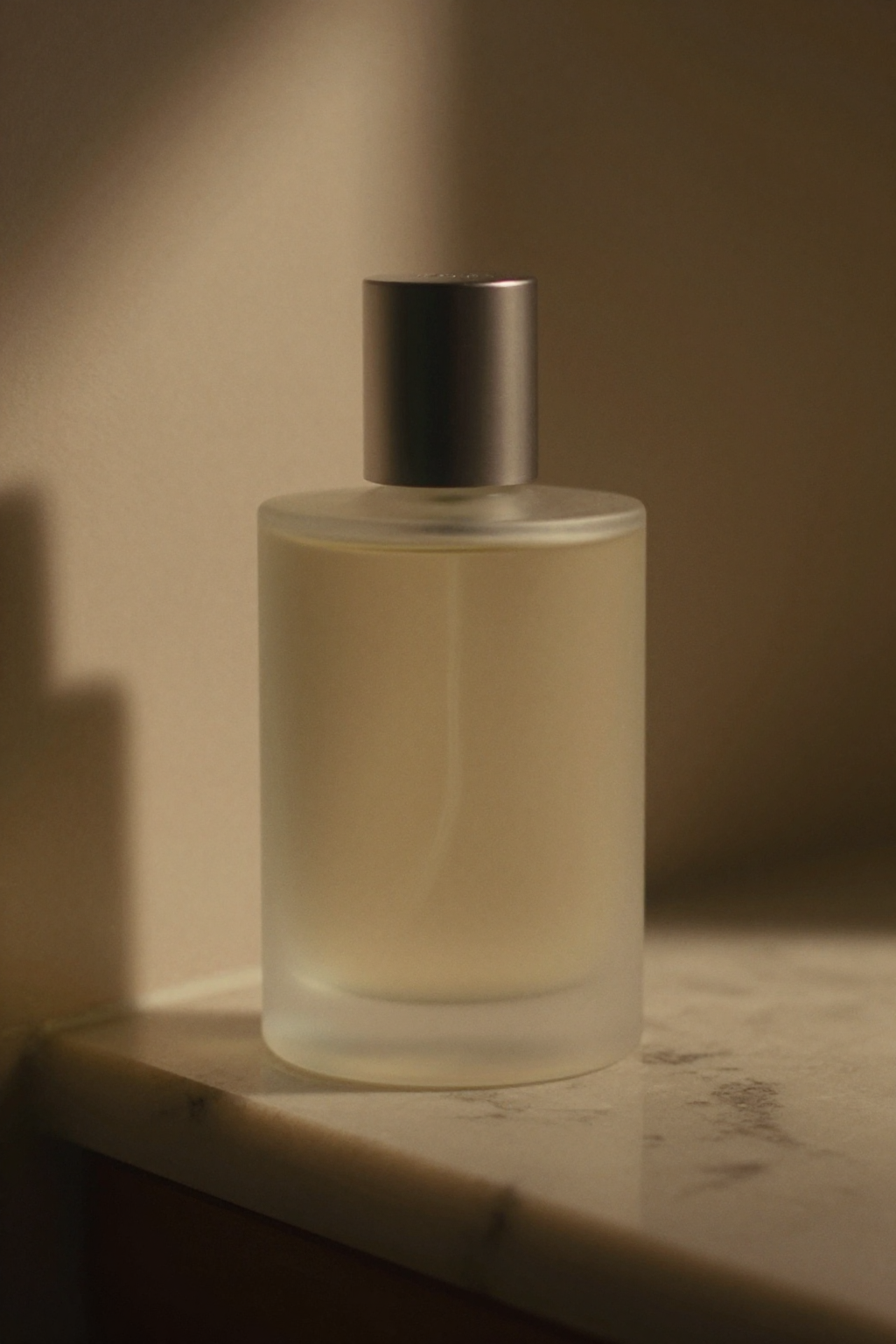





Why one roster beats a folder of subscriptions
The AI video landscape moves weekly. Seedance drops a controllability leap, Veo adds native audio, Kling undercuts everyone on price, and creators end up juggling five subscriptions, five wallets, five prompt dialects. OpenClips puts every major video generation model behind one composer, one credit wallet, and one library. You pick the model per shot, not per platform.
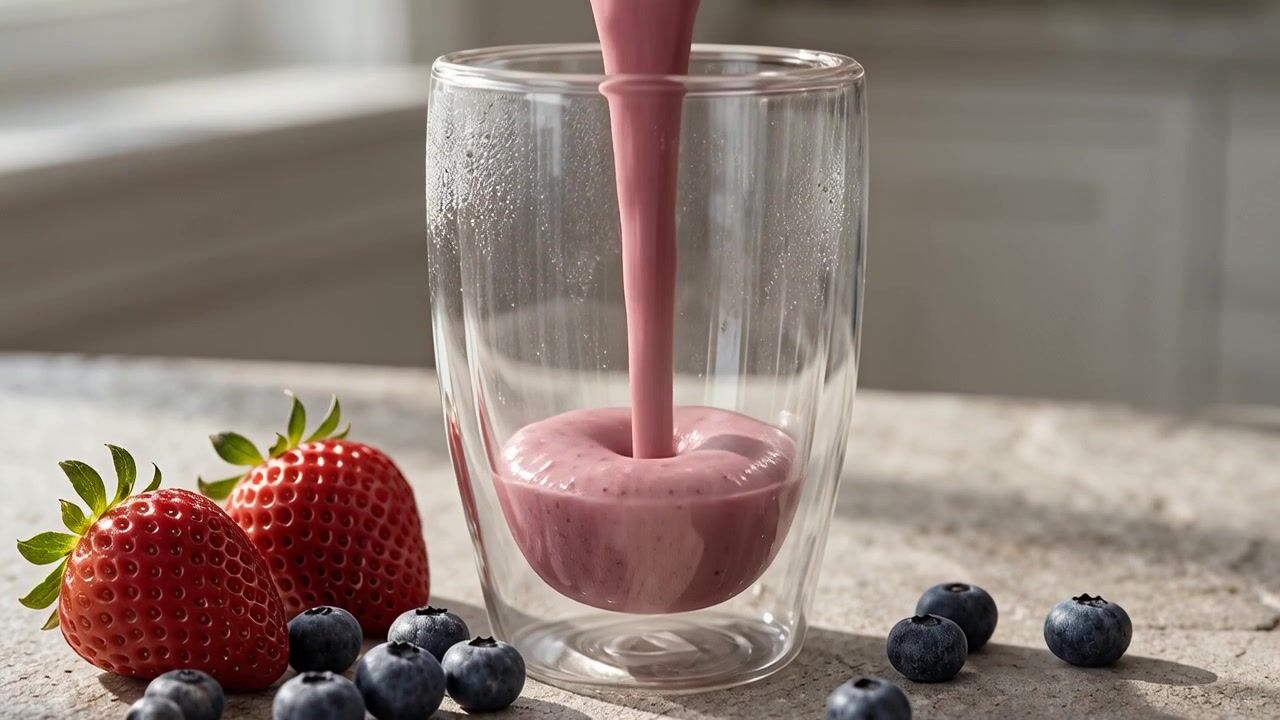
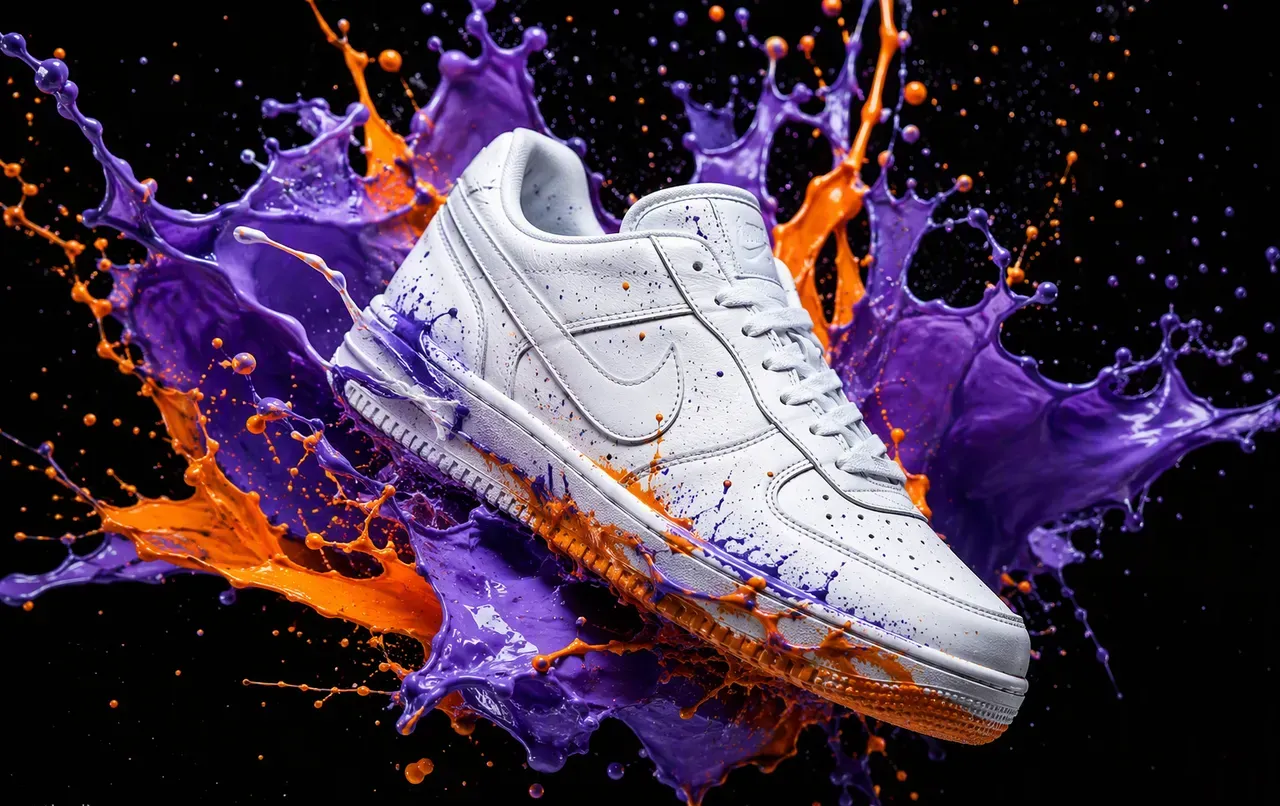
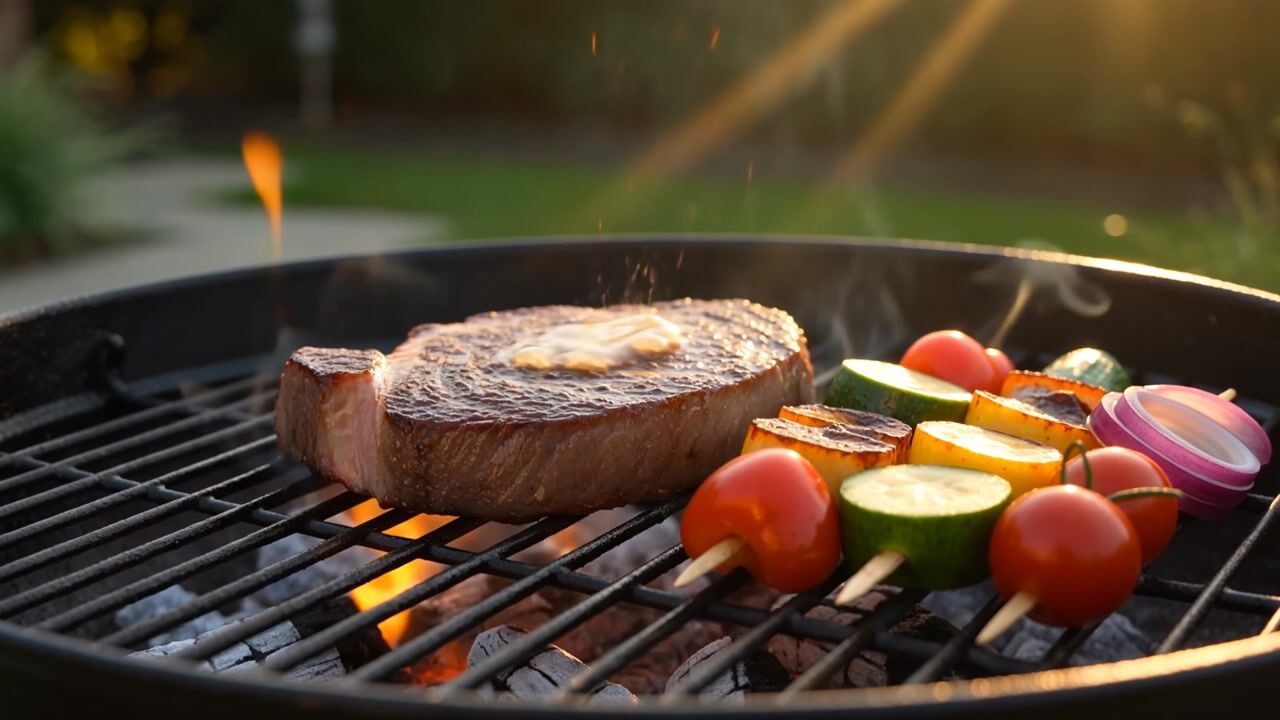
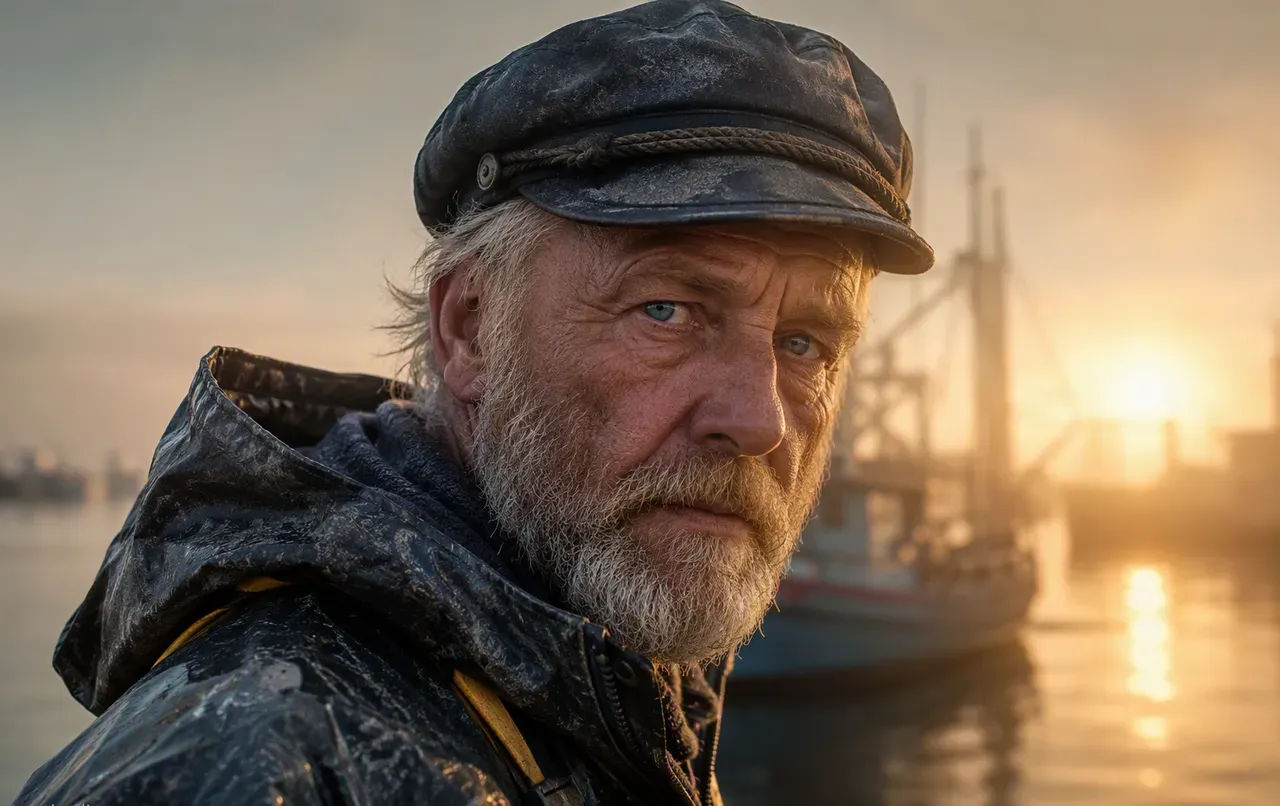
This hub is the map. Every card above is a real door: open a family page to see versions, credit pricing, proof renders with their prompts, and a working composer locked to that model. If a model is boarding soon, the page is already here. Because the best time to learn a model is the day it launches, not the month after.
How to choose your model
For controllable cinematic scenes, start with Seedance 2.5. Multi-reference input, strong prompt adherence, 30-second takes. For realism with synced sound, Veo 3.1 is the reference. For image-to-video on a budget, Kling 3.0 is the daily workhorse, with Hailuo 2.3 for rough drafts. For characters that stay consistent across a series, Happy Horse 1.1 was built for exactly that. And for images, Seedream 4.0 covers typography and key art free on the signup grant, with Nano Banana Pro for photo edits and GPT Image 2 for precision.
The pros don't marry a model. They cast per scene. Run the same prompt across two or three models in OpenClips, compare takes in your library, and keep the winner. That's the workflow this roster is built for.